The Peptide
Quickie
Guide
the beginner's guide to understanding peptides

MY STORY
I was doing everything right — and I was so frustrated.
I built and scaled a company and I paid the tax with my health. The late nights, the stress, the constant output. In six months I gained 35 pounds. I cried looking at photos of myself on stage. When the scale hit 180 lbs I knew something had to change.
So I did everything right. I hired a personal trainer. I spent thousands on supplements and experts. I was hitting 10,000 to 15,000 steps a day, eating in a caloric deficit, and lifting weights three to five times a week. I lost 20 pounds — but it was slow, mentally exhausting, and consumed every thought I had.
Then the scale stopped moving entirely. My labs came back "normal" — except for seriously elevated inflammation markers. My body was fighting me.
That's when I started looking into GLP-1 peptides. Honestly? It felt like cheating. After everything I had put into the gym and the meal plans, the idea of using something to help felt like I was giving up. And I was terrified of the side effects I kept hearing about — the nausea, the hair loss, the muscle wasting.
But then I got educated. And I chose a provider-led program — low and slow dosing with real medical oversight, pharmaceutical-grade sourcing, and a provider who actually knew my history.
Twelve months later: 30 pounds gone. Inflammation cleared. Hair intact. Strength maintained. Energy restored. Food noise — completely gone.
I have never felt better in my life. And I want that for you too.
This guide is everything I wish I had known before I started. Not medical advice — just one woman's honest experience, and the research I wish someone had handed me at the beginning.



WHAT ARE PEPTIDES?
What are peptides — and why is everyone talking about them?
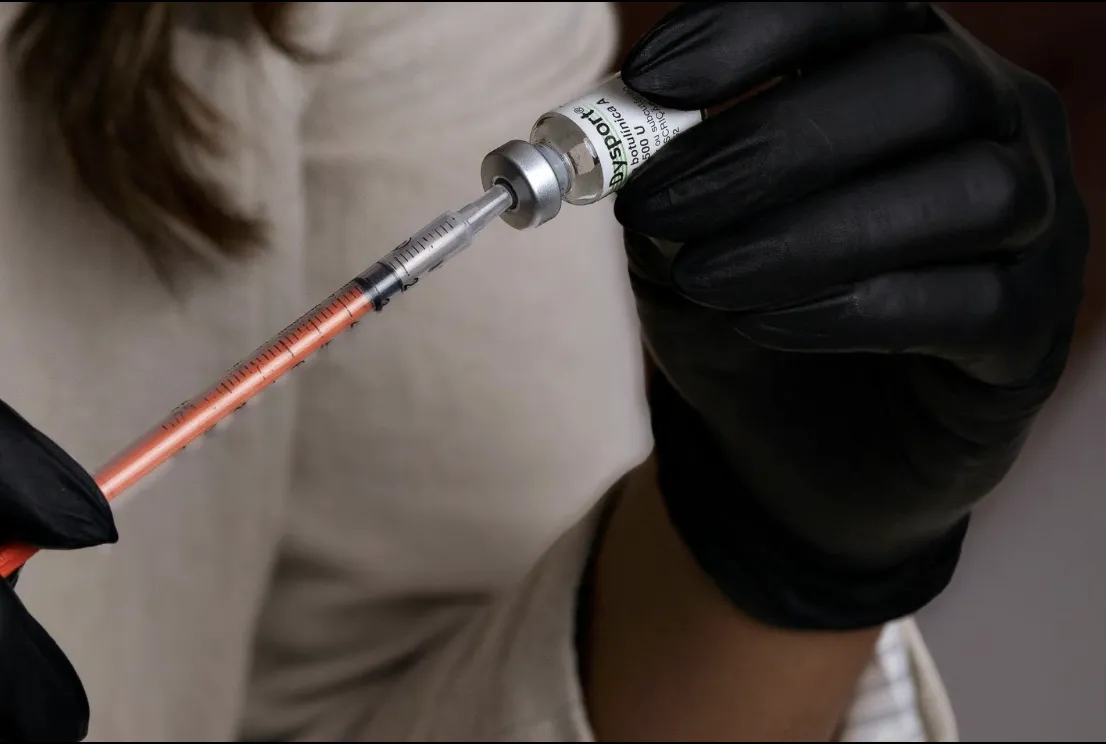
Peptides are short chains of amino acids. That's it. They're not steroids. They're not synthetic drugs invented in a lab. They're the same building blocks your body already uses to build protein, send signals between cells, and regulate almost every function that keeps you healthy.
Think of peptides as messengers. Your body produces them naturally, and they carry instructions — telling your metabolism to speed up, your cells to repair, your hormones to regulate, your hunger signals to quiet down. The problem is that as we age, get stressed, or fall into chronic inflammation, our bodies produce fewer of these messengers. Things start to break down. Weight becomes harder to manage. Recovery slows. Energy drops. Sleep suffers.
Peptide therapy works by restoring or amplifying those signals. You're not forcing your body to do something unnatural — you're giving it back the tools it already knows how to use.
What are GLP-1's?
"There are over 7,000 naturally occurring peptides in the human body — your body already knows exactly what to do with them."


GLP-1 peptides specifically mimic a hormone your gut produces after you eat.
That hormone tells your brain you're full, slows digestion, and helps regulate blood sugar. For people whose bodies have stopped responding to that signal properly — which is far more common than most doctors acknowledge — GLP-1 therapy can feel like finally being heard after years of your body working against you.
More than weight loss...
GLP-1s do a lot more than help you lose weight.
Research is revealing that GLP-1 peptides have far-reaching effects throughout the entire body — many of which have nothing to do with the scale.
What the science is showing:
Reduced risk of heart attack and stroke by up to 20%. Significant reduction in chronic inflammation. Reversal of fatty liver disease. Improved blood sugar and insulin sensitivity. Lower rates of depression and anxiety. Reduced compulsive cravings — not just for food, but alcohol and nicotine too. And researchers are now actively studying GLP-1s as a potential treatment for Alzheimer's and Parkinson's disease.
This is why the medical community is calling GLP-1 therapy one of the most significant health breakthroughs in a generation. It's not a diet drug. It's metabolic medicine.

"Peptides are the future of personalized medicine." — Dr. Sara Gottfried, hormone researcher
Myths — and what's actually true.
Knowing the Facts So You Can Make an Educated Decision

Myth 1- "peptides are dangerous."

Peptides are short chains of amino acids — the same building blocks as protein. Many simply mirror hormones your body already makes naturally. They are not steroids. They are not experimental. Over 100 peptide-based therapies have been approved by the FDA. The danger people associate with peptides almost always comes from unregulated sources and improper dosing — not the peptides themselves.
This is why dosing and peptide use must be overseen by a licensed medical professional and not just “purchased” from someone with access to peptides. There are gray market and even black market peptides not safe for human use.
Myth 1- "peptides are dangerous."
Peptides are short chains of amino acids — the same building blocks as protein. Many simply mirror hormones your body already makes naturally. They are not steroids. They are not experimental. Over 100 peptide-based therapies have been approved by the FDA. The danger people associate with peptides almost always comes from unregulated sources and improper dosing — not the peptides themselves.
This is why dosing and peptide use must be overseen by a licensed medical professional and not just “purchased” from someone with access to peptides. There are gray market and even black market peptides not safe for human use.
MYTH 02 — "You'll gain all the weight back when you stop."
GLP-1's are a TOOL to use alongside healthy habits.
Weight regain depends entirely on how you used it. When GLP-1 therapy is done correctly — with proper titration, provider oversight, and attention to the habits built during treatment — most people experience a genuine reset in their relationship with food. The food noise quiets. Portions naturally regulate.
This is not a “cure-all” product. It is a tool meant to be used alongside foundational healthy habits like proper sleep, hydration, nurtirtion, and movement.
The patients who maintain their healthy lifestyle are able to successfully wean off the meds. Although some choose to be on a microdose of the peptide for the longevity benefits.
MYTH 03 — "The side effects make it not
worth it."
Side effects become minimal to non-existant when proper dosing protocols are followed.
The side effects most people fear — nausea, fatigue, hair loss, muscle wasting — are almost entirely a titration problem, not a peptide problem. When you start low and increase slowly under provider supervision, the vast majority of clients experience minimal to no side effects. The horror stories you read online are almost always the result of improper dosing, no medical oversight, or unregulated sources.
When it comes to proper dosing, the goal is “Low and slow.”

Why use a trusted telehealth provider...
Telehealth in the peptide space actually solves the biggest problem most people face — access to a qualified, licensed medical provider who specializes in this area. Your local GP is unlikely to know the latest research on GLP-1 titration protocols or longevity peptides. They're not equipped for it. EllieMD's providers are.
Here's what telehealth makes possible:
You get a licensed medical provider without driving to a clinic, sitting in a waiting room, or navigating a healthcare system that was never designed to help you with this. Your intake is thorough. Your protocol is personalized. Your provider is reachable. And your medication ships directly to your door from a licensed 503a compounding pharmacy — pharmaceutical grade, properly dosed, properly stored.
With EllieMD telehealth, you get oversight and real adjustments when your body needs them.
The peptide space is full of people selling subscriptions with no provider involvement whatsoever. EllieMD is built differently. Every client has a licensed provider. Every protocol is reviewed. Every medication is pharmaceutical grade. The telehealth model just means you get all of that without leaving your house.
How it works....
Get started...
You've done the research. Now take the step.
You didn't find this page by accident. You've been paying attention — reading, wondering, weighing the options. That means you're already further along than most people ever get.
You know that GLP-1s are not a shortcut. You know that provider oversight matters. You know that where you source your medication is not a detail — it's everything. You've done the work to get informed. That's exactly what this guide was for.
I spent months frustrated, exhausted, and convinced I just needed to try harder. I wish someone had handed me this information sooner. I wish I hadn't waited so long to stop white-knuckling it and start working with my biology instead of against it.
Thirty pounds. Twelve months. My inflammation is gone. My energy is back. The food noise is quiet for the first time in years. And I did it with a real provider, real oversight, and a protocol built around my body.
That's what I want for you.
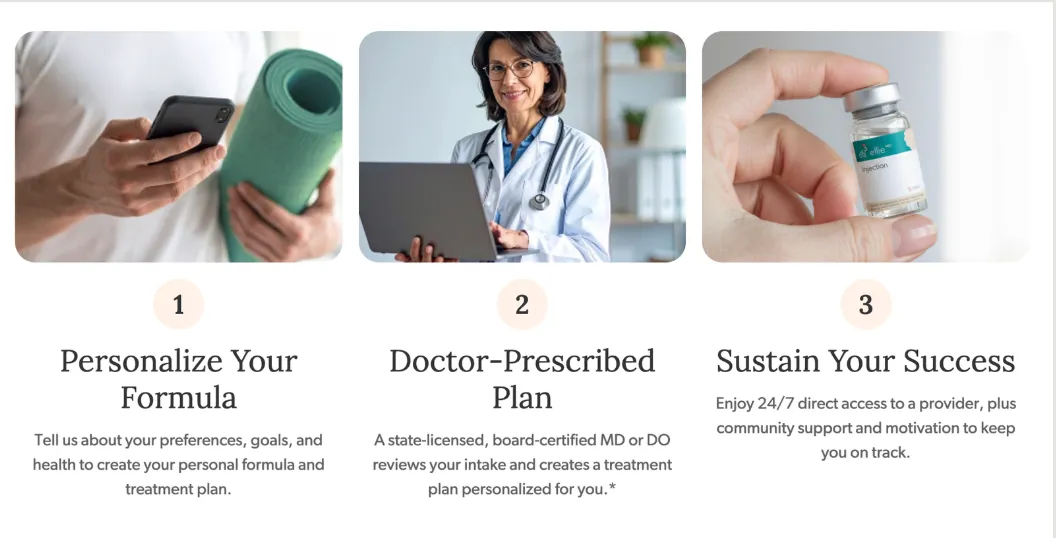
EllieMD's intake process is simple, private, and completely provider-led from the first step. You fill out a thorough health history, you're matched with a licensed provider, and your protocol is suited to your needs and goals.
There's no pressure. There's no hard sell on the other side. Just a provider who will actually look at your history and tell you honestly what makes sense for your body and your goals.

meet the
longevity peptides
a brief introduction to
other peptides

the future of anti- aging and longevity...
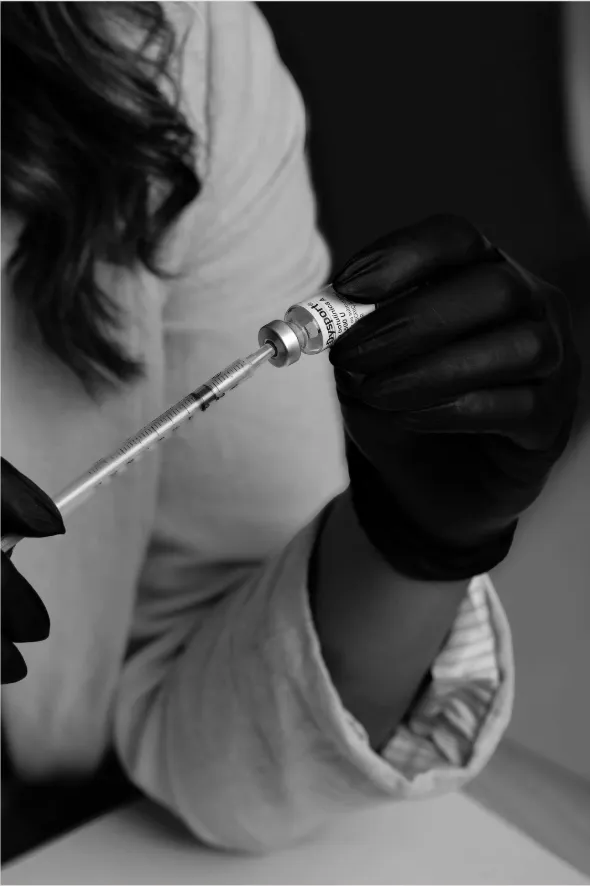
Most people come to EllieMD for GLP-1s. Many of them stay for something they didn't even know existed when they started.
Longevity peptides are a category of peptide therapies designed not just to help you lose weight — but to help you feel younger, recover faster, think more clearly, sleep more deeply, and age better at a cellular level. This is the frontier of modern medicine, and EllieMD is already there.
You don't have to be on a GLP-1 to explore longevity peptides. Some people come to EllieMD specifically for this protocol and never touch a GLP-1 at all. Your provider will build a plan around your goals, your labs, and your lifestyle — not a formula.
Here's a look at what's available.
sermorelin
"BEST SLEEP OF MY LIFE"
Semorelin Signals your pituitary gland to produce your own natural growth hormone. As we age, growth hormone production drops significantly — and with it goes muscle tone, sleep quality, recovery speed, and energy. Semorelin doesn't replace your hormones artificially. It tells your body to make more of its own. Most people notice deeper sleep and faster recovery within the first few weeks.

NAD+
"BRAIN FUEL"
Think of NAD+ as the fuel your cells run on. It's critical for energy production, DNA repair, and keeping your mitochondria functioning the way they should. The problem is that NAD+ levels drop by nearly 50% between your 40s and 60s. Restoring them through injectable therapy — which absorbs far more effectively than oral supplements — supports sharper cognition, better metabolic function, and an energy level that most clients describe as feeling years younger.
BCP-157 + TB-500
"THE WOLVERINE STACK"
EllieMD combines these two powerful healing peptides into a single vial. BPC-157 is known as a body protection compound — it accelerates repair of tendons, ligaments, and gut lining, and has remarkable anti-inflammatory properties. TB-500 promotes new blood vessel formation and dramatically speeds recovery from injury or overtraining. Together they form one of the most effective healing and repair protocols in peptide medicine. Popular with athletes, but life-changing for anyone dealing with chronic pain, slow recovery, or gut issues.
MOTS-C
"EXERCISE IN A BOTTLE"
A peptide derived directly from your mitochondria that regulates energy metabolism at the cellular level. MOTS-c improves insulin sensitivity, supports physical endurance, and helps your body stay metabolically resilient as you age. It works at the source — inside your cells — in a way that most supplements simply cannot reach.
GLUTATHIONE
"ANTIOXIDANTS GALORE"
Glutathione Your body's master antioxidant. Glutathione neutralizes free radicals, supports liver detoxification, and plays a central role in immune function. Levels decline with age, chronic stress, and illness. Injectable glutathione delivers a level of absorption that oral supplements can't come close to matching. Clients often notice brighter skin, reduced inflammation, and improved energy within the first few weeks.
GHK-CU
"THE BEAUTY PEPTIDE"
A copper peptide with some of the most impressive regenerative research in the field. GHK-Cu stimulates collagen and elastin production, accelerates wound healing, reduces inflammation, and has shown meaningful results for hair growth and skin renewal. It works at the cellular level — repairing, restoring, and turning back the clock in ways that topical products simply cannot replicate.

AND SO MUCH MORE...
EllieMD also offers Synapsin for cognitive health and brain clarity, Tesamorelin for growth hormone and body composition, and additional peptides that are added regularly as the science evolves.
To view and access all peptides, visit the site and click “get started” to build your free customer profile and view all the peptides offered.
This page and its contents are for informational and educational purposes only. Nothing on this page constitutes medical advice, and no information here should be used as a substitute for professional medical advice, diagnosis, or treatment. Kristen Boss is not a licensed medical professional. She is an independent affiliate partner of EllieMD and may receive financial compensation when purchases or sign-ups are made through her referral link. The personal results and experiences shared on this page are her own and are not typical or guaranteed. Individual results will vary significantly based on health history, current medications, lifestyle factors, and adherence to a provider-supervised protocol. EllieMD services are provided by licensed medical providers. FDA disclosure: These statements have not been evaluated by the Food and Drug Administration. Peptide therapies are not intended to diagnose, treat, cure, or prevent any disease.
PEPTIDE
GLP-1
FAQ
the QUESTIONS YOU PROBABLY HAVE BEFORE STARTING

WHAT IS A GLP-1 AGONIST?
GLP-1 agonists are medications that mimic a naturally occurring hormone in the body involved in appetite regulation, digestion, and blood sugar balance. They are commonly prescribed today to support metabolic health and weight management under the supervision of a licensed provider.
What is the difference between “natural” vs. synthetic peptides?
“Natural” does not automatically mean safe, and “synthetic” does not automatically mean dangerous. Safety depends on evidence, dosing, duration of use, and medical oversight — not the label.
Synthetic GLP-1 receptor agonists are among the most well-researched peptides in medicine, built on more than 40 years of incretin science and supported by decades of large human clinical trials.
Many products marketed as “natural GLP-1 boosters” or supplements lack long-term safety data, standardized dosing, or robust human outcome studies.

Natural compounds can still carry risks, especially at higher doses or with long-term use. For example, berberine may affect liver enzymes, gut motility, blood sugar, or medication metabolism when used improperly or over extended periods.
The body’s natural GLP-1 is broken down very quickly — typically within 1–2 minutes — by an enzyme called DPP-4 (dipeptidyl peptidase-4), limiting the sustained impact of naturally increasing GLP-1 levels.
Synthetic GLP-1 agonists are designed to resist rapid breakdown, allowing for more consistent and predictable metabolic effects when prescribed and monitored appropriately.
The most important factors in any therapy are safety, evidence, and appropriate medical supervision — not whether something is labeled natural or synthetic.
Why do providers start GLP-1s at a low dose?
GLP-1s are typically introduced gradually so the body has time to adjust. Starting at a lower dose and increasing slowly is a common approach providers use to support tolerability and minimize unwanted side effects during the adjustment phase.
EllieMD does a slow dosing protocol known as “titration” to gently introduce your body to the full therapeutic dose. And some people never even need the full therapeutic dose. This is the beauty of having a provider customizing your dosing.

What's the difference between Semaglutide (GLP-1) and Tirzepatide (GLP-1/GIP)?
Both medications work by mimicking natural hormones in your body that regulate blood sugar and appetite — but they work in slightly different ways.
Semaglutide (Ozempic®, Wegovy®) targets one hormone receptor called GLP-1 (glucagon-like peptide-1). When activated, GLP-1 helps your body release insulin after meals, slows digestion so you feel full longer, and reduces appetite signals in the brain.
Tirzepatide (Mounjaro®, Zepbound®) works the same way as semaglutide, but also activates a second hormone receptor called GIP (glucose-dependent insulinotropic polypeptide). Because it targets both pathways, it essentially has two mechanisms working together to manage blood sugar and reduce hunger.
what about the side effects?
Some people report side effects when starting a GLP-1, especially early on. The most commonly discussed experiences include nausea, bloating, reflux, constipation, or feeling overly full.
Often times the “horror stories” you hear about are patients who didn’t have proper dosage, lacked medical oversight, or access their peptides from the black or grey market (yes, that’s a real thing).
These effects can occur because GLP-1 medications work in part by slowing digestion and increasing fullness signals. As the body adapts to these changes, digestion and appetite regulation may temporarily feel different.

Many people find that being mindful of eating pace, portion size, hydration, and overall nutrition can be helpful during this adjustment period. Experiences vary widely from person to person.
For most individuals, these side effects are minor, temporary and improve as the body adjusts over time.

ORal Drops vs. Injections
What is the difference between the oral drops and injection for GLP-1? Is the oral as effective?
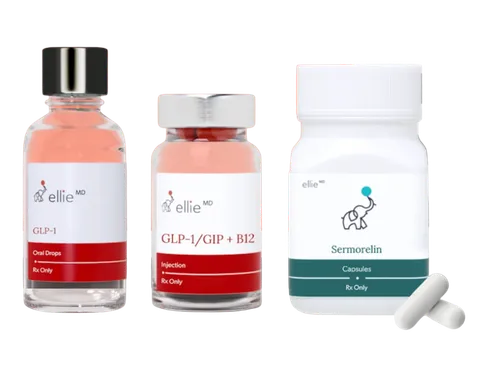
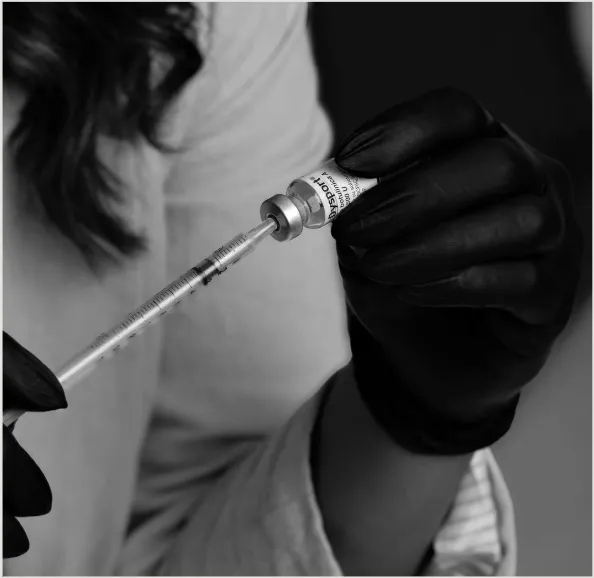
Oral GLP-1 drops are typically provided in a vial and measured with a syringe, then placed under the tongue for absorption through the oral mucosa. Injectable GLP-1s are given as a subcutaneous injection using a very small needle just under the skin.
The primary difference between the two has to do with bioavailability, which refers to how much of the medication actually reaches the bloodstream and is available to work in the body. Injectable GLP-1s are absorbed more directly and consistently, which is why they are the most studied and widely used form in clinical trials.
Oral GLP-1 drops may be appealing to some because they avoid injections, but absorption can be more variable due to factors like saliva, swallowing, and individual differences in oral absorption. Because of this, oral options may not produce the same predictable or sustained effects for everyone.
WIll i have to stay on this forever?
There is no one-size-fits-all answer. The length of time someone uses a GLP-1 is highly individualized and depends on personal goals, metabolic health, response to treatment, and guidance from a licensed healthcare provider.
Some individuals choose to titrate down to a lower, maintenance-style dose and remain on it long term because they feel better overall and value benefits beyond weight loss, such as improved metabolic health, appetite regulation, reduced inflammation, and quieter food-related thoughts. Others may use a GLP-1 for a defined period and then discontinue completely, maintaining results through lifestyle habits, portion awareness, and lasting changes in how their brain responds to hunger, cravings, and reward.
When discontinuing, many providers recommend a gradual taper rather than stopping abruptly, allowing the body time to adjust and supporting a smoother transition. Decisions about continuing, tapering, or stopping are always individualized and made in partnership with a healthcare provider over time.
There is often fear-mongering around the idea that you will “gain all the weight back” or that GLP-1s “damage your metabolism.” Current evidence does not support the idea that GLP-1s harm metabolism; in fact, they are used to support and improve metabolic function, insulin sensitivity, and appetite signaling. Weight regain, when it occurs, is typically related to loss of supportive habits or abrupt discontinuation — not metabolic damage.
GLP-1s are best viewed as a tool within a broader health strategy, not an automatic lifelong commitment or a short-term fix.

WIll I regain all my weight if I stop?
Fear: once you stop, you gain all the weight back so it’s a trap.
Truth: GLP-1 agonists are a tool, not a cure. If people never change their habits, they will regain weight when stopping, But if used alongside protein-forward eating, resistance training and gut support, people can maintain fat loss. The regain risk is behavioral, not biological
Long-term outcomes depend on many factors, including habits, metabolic health, and ongoing support. Decisions about stopping or continuing a GLP-1 should always be made in partnership with your provider.
How long have GLP-1 medications been around, and what do we know about long-term safety?
GLP-1–based medications are not new. They have been studied and used in clinical medicine for over 20 years, primarily in the treatment of type 2 diabetes and metabolic disease. Some of the earliest GLP-1 medications were approved in the mid-2000s, and research on the GLP-1 hormone itself began even earlier.
Because of this long history, GLP-1s are among the more extensively studied metabolic medications, with large clinical trials and real-world data involving millions of patients over many years.
When considering long-term use, providers often look at risk in context. Chronic conditions associated with obesity — such as cardiovascular disease, type 2 diabetes, high blood pressure, fatty liver disease, and systemic inflammation — are well known to carry significant long-term health risks if left untreated.
For many individuals, providers weigh these known risks against the existing safety data on GLP-1 medications. Overall, GLP-1s are widely regarded as having a favorable safety profile when appropriately prescribed and monitored, which is why their use has expanded beyond diabetes into broader metabolic care.
I’m having trouble trusting a telehealth company versus seeing a doctor in person. How do I know telehealth is safe?
Reputable telehealth companies, like Ellie MD, operate under the supervision of board-certified physicians (MD/DO) and follow the same medical standards, prescribing guidelines, and regulatory requirements as in-person care. Medical oversight, provider accountability, and appropriate screening are core components of safe telehealth practice.
Using telehealth does not replace your primary care physician or prevent you from seeing a doctor in person. Many people choose to use telehealth alongside their existing healthcare team or through an in-person practice in their local community — both options can coexist and complement each other.
Telehealth offers advantages such as greater accessibility, convenience, and lower overall costs, allowing patients to receive care without travel, long wait times, or unnecessary office visits. When done correctly, telehealth expands access to high-quality medical care while maintaining safety, oversight, and continuity.

to view and access all peptides, visit the site and click “get started” to build your free customer profile and view all the peptides offered.
This page and its contents are for informational and educational purposes only. Nothing on this page constitutes medical advice, and no information here should be used as a substitute for professional medical advice, diagnosis, or treatment. Kristen Boss is not a licensed medical professional. She is an independent affiliate partner of EllieMD and may receive financial compensation when purchases or sign-ups are made through her referral link. The personal results and experiences shared on this page are her own and are not typical or guaranteed. Individual results will vary significantly based on health history, current medications, lifestyle factors, and adherence to a provider-supervised protocol. EllieMD services are provided by licensed medical providers. FDA disclosure: These statements have not been evaluated by the Food and Drug Administration. Peptide therapies are not intended to diagnose, treat, cure, or prevent any disease.
Copyrights 2026 | Your Brand™ | Terms & Conditions